
Singular Mountain Wines of Northwestern Italy
Château Fueillet “Fumin” (Valle d’Aosta, 2014) red
~$35/bottle
Château Fueillet “Petite Arvine” (Valle d’Aosta, 2014) white
~$31/bottle
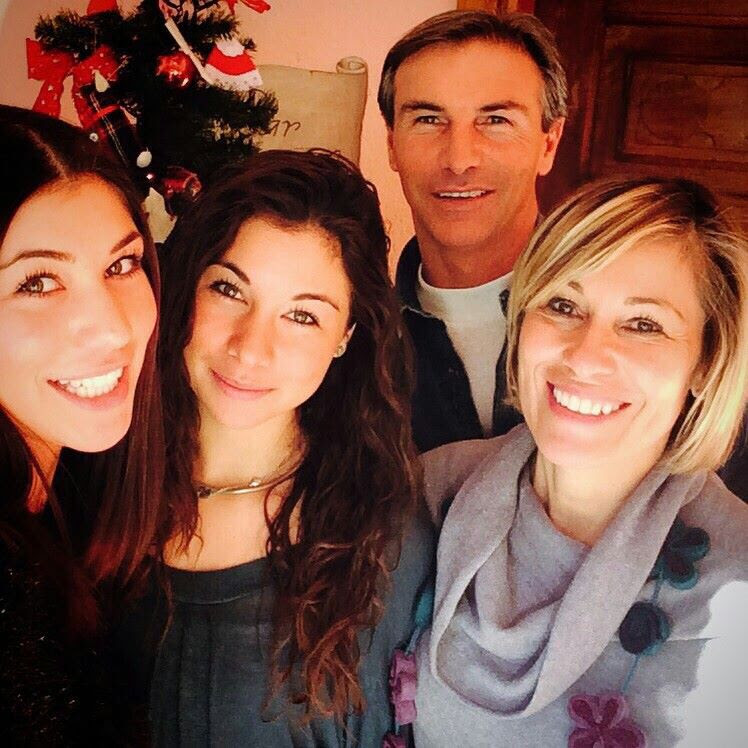 Maurizio Fiorano became a vineyard owner by chance. When he married and moved with his wife to her hometown of Saint-Pierre in the Valle d’Aosta, he took over the vineyards she had inherited and began producing the wines of Château Fueillet in 1997. He will humbly tell you that it’s not hard to make good wine from his 10 acres of vineyards, all on the left-hand side of the Dora Baltea river at an altitude of 2,000 to 2,500 feet, and with perfect exposure to the south. But Maurizio certainly understands how to exploit the region’s full potential.
If you’ve never heard of the northern mountainous wine zone of Valle d’Aosta it’s not surprising. Northwest of Piedmont, on the border of France and Switzerland, the total annual production of all DOC classified wine from the region is about 0.2% of what the leading grocery store brand sells in a year. Indeed, winemakers there don’t need to export any of their wine as there’s a built-in market among locals and tourists. Although Maurizio’s production is minute, he wants to the show the world the singularity of these mountain wines.
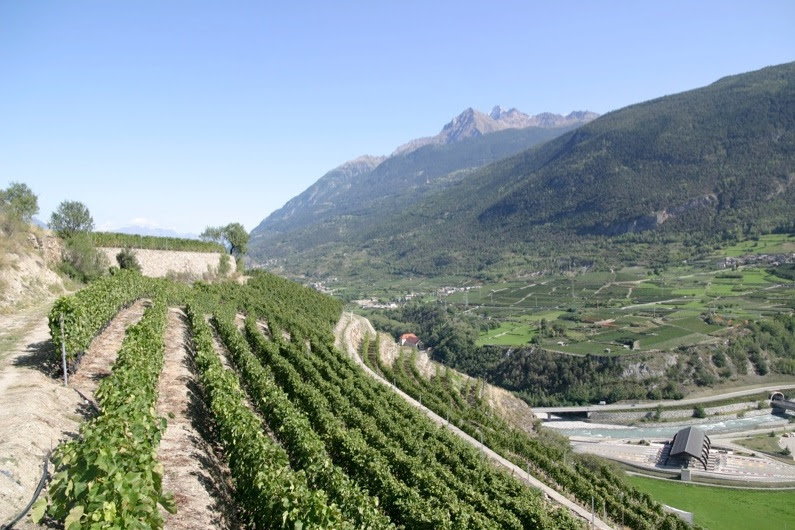
The terraced vineyards of Valle d’Aosta are as treasured a part of the scenery as are the castles that guard the valley’s historic access routes or the forests of beech, spruce, and fir that reach to the timberline of the Matterhorn, Monte Rosa, and Gran Paradiso mountains. The combination of a chilly climate, high altitude, and drastic diurnal temperature shifts provide extremely long hours of gentle sunlight. This allows the grapes an exceptionally long, slow ripening season that results in red wines with the heft of a sunny climate yet still refreshing.
The Fumin is the definition of exotica. A blend of 90% of the local native grape Fumin and 10% Syrah, it’s a deeply colored wine bordering on purple. Rich aromatics are layered with bright forest berries, earthy loam, grass, and pepper. Its enormous fruit is balanced by freshness and just a hint of soft tannins. Harvest is late October to early November. For contrast, the grape harvest in many parts of California started in August this year.
The flagship wine of Château Fueillet is the white, 100% Petite Arvine – a grape variety unique to this tiny mountainous slice of Italy and a handful of vineyards in Switzerland. Maurizio makes his Petite Arvine racy and vibrant, with a core of luminous fruit. The aromas transport you to alpine meadows and the finish is packed with crunchy stones and saline minerality.
- - -
Posted on 2015.11.05 in Italy, Valle d'Aosta | Read more...
Pure, Concentrated, and Seductive Mediterranean Red
Domaine Les Mille Vignes “Cadette” (Fitou, 2012)
~$41/bottle
Fitou is the very first granted appellation in the southern French region of Languedoc. It consists of two small enclaves, Fitou Haut, a patch of mountainous schist 15 miles inland, and Fitou Maritime, a clay-limestone band around the saltwater lagoons on the coast. It was late 1970s, in the Fitou Maritime, that a retired oenology professor from Orange, Jacques Guérin, launched Domaine Les Mille Vignes. With meticulous attention to the quality of fruit and minimal intervention winemaking, it wasn’t long before the domaine was being recognized for their pure and concentrated wines from low-yielding vines.
The amount of fruit produced per unit surface of vineyard, or yield, is an important aspect in quality winemaking. It’s one of the reasons we’re always talking about old vines that produce less fruit. Low yields from healthy vines can result in wines with highly concentrated flavors and aromatics. The yields of Domaine Les Mille Vignes are miniscule, or less.
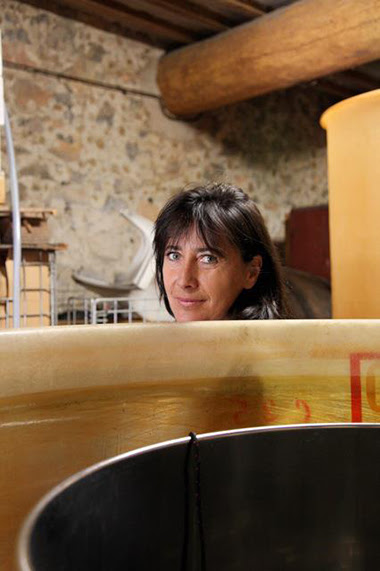 It’s not by luck that their wines can be found on starred restaurant wine lists in Paris. Their old vines and low yields allow the wines to reach their full, seductive potential. With all aging done in stainless steel vats, the wines are all about purity of fruit and the distinction of Fitou.
Today it’s Jacques’ daughter, Valérie Guérin, who is carrying on the ethic of low yields, organic principles, hand-harvesting, and native yeast fermentation. While we can go on about the vineyard management and winemaking, the proof really is in the wine.
Cuvée “Cadette” is a blend of equal parts Grenache, Carignan and Mourvèdre from vines over 50 years old. The aromatics explode from the glass with red currant jelly, wild thyme and lavender scrubland, roasted stones, smoky meats, and soul. The layered palate is full-bodied, ripe, and balanced by freshness and energy. You could rest some in the cellar for five years if you can keep your hands off of it now.
Domaine Les Mille Vignes – The Grand Cuvées
~$71/bottleOnly made in the most exceptional vintages and only about 200 cases produced, 100% Grenache from a single parcel of over 75-year-old vines. Traditional long maceration and tank aging help create a pure, medium-bodied, elegant wine with a grocery list of spice and fruit aromatics. Drink now or over the next decade. “Atsuko” means “blossoming cherry tree” in Japanese, and is named for the wife of a Japanese diplomat who helped inspire the cuvée.
Fitou “Les Vendangeurs de la Violette” 2011
~$80/bottle
100% Mourvèdre from the original parcel of the domaine planted with 1000 vines, hence the domaine’s name. Tank-aged and classic with dark fruits, marine like minerality, red meat, and floral aromatics. A full-bodied and voluptuous wine. Highly concentrated and structured, it can be enjoyed now or cellared for another 15 years. The name of this cuvée comes from the wild violets growing all around the parcel, and the friends and staff of the domaine, not hired harvesters, who have always done the picking for this parcel.
- - -
Posted on 2015.10.28 in France, Saturday Sips Wines, Languedoc-Roussillon | Read more...
Rare and Thrilling Wines from Piedmont Italy
Vigne Marina Coppi “Marine” (Colli Tortonesi Favorita, 2011) white
~$35/bottle
Vigne Marina Coppi “Sant’ Andrea” (Colli Tortonesi Barbera, 2012) red
~$25/bottle SOLD OUT
With its many overlapping appellations spread across the largest region of the Italian mainland, it takes a bit of work to wrap one’s brain around the wines of Piedmont. But what makes Piedmont so complicated also makes it exciting. While most wine drinkers have heard of Barolo and Barberesco there are another three dozen Piedmont wine zones that rarely see foreign markets. Colli Tortonesi is one of them.
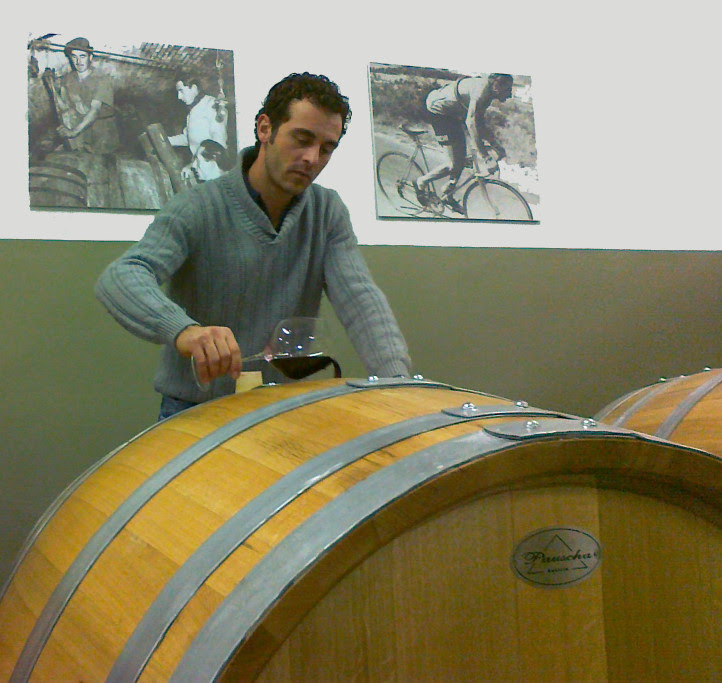 Colli Tortonesi lies in the easternmost part of Piedmont on the hills surrounding the town of Tortona in the province of Alessandria, extending from Monferrato to Oltrepò Pavese. Production has been dominated by fizzy white wine made from Cortese grapes but more recently passionate winemakers like Francesco Bellocchio of Vigne Marina Coppi are driving both consumers and media to recognize the potential of Colli Tortonesi to produce wines of distinction.
It was a little over a decade ago that Francesco purchased an 11 acre vineyard in the small village of Castellania. The tiny plot once belonged to his grandfather, Fausto Coppi, a legendary cyclist who died before Francesco was born. With such small vineyards, Francesco and his wife, Anna, are able to have total control of the land and the winemaking process. And they do it all themselves, producing a mere 1600 cases per year of top-class Colli Tortonesi wine using organic and biodynamic techniques.
The white Cuvée “Marine” comes from a two acre plot in the “Gabetto” vineyard. The grape variety is Favorita, a relative of the Mediterranean grape Vermentino. In order to increase the sugar and aromatic concentration, harvesting takes place around ten days after the grape has reached its maximum ripeness, when the grapes are slightly over-ripe (late-harvesting). But “Marine” is hardly a sweet wine. It’s a big, chewy, highly aromatic white wine with a bracing acidity perfect for pairing with a multitude of foods. If you’re already thinking Thanksgiving this wine would make an ideal addition to the feast. 40 bottles available.
The red Cuvée “Sant’ Andrea” is a blend of 90% Barbera, 10% Croatina from a 2.5 acre plot. Grapes are picked at peak maturity and the wine is fermented and aged entirely in stainless steel. This is about as pure and juicy as Barbera gets. Like a bucket of summer berries in a sun-drenched meadow. It’s a wine that makes you want to throw a party if only to drink it with friends. 20 bottles available.
A Vigne Marina Coppi Masterpiece
Vigne Marina Coppi “Fausto” (Colli Tortonesi Timorasso, 2011) white
~$50/bottle
Bellocchio’s Timorasso grapes grow in the rich limestone soils of the single vineyards “Gabetto” and “Montagnina” that are situated mid-slope with an incline of almost 35 degrees. It’s an ideal micro-climate, with cooling breezes from the Adriatic Sea yet protected from the cold northerly winds. Hand-harvested in the early morning to preserve freshness, the grapes are gently pressed and fermented in temperature controlled stainless tanks for eight months with manual batonnage (stirring on the lees to enrich body and bouquet).
The result is “Fausto,” a full-bodied white wine named in honor of his grandfather. Its multi-layered aromatics include crushed stone and dried flowers. A sip fills the mouth with more layers of sappy white fruit and brine and a long, fresh finish. It’s clearly a wine that will develop in the cellar for at least another three to five years if not longer. 17 bottles available.
- - -
Posted on 2015.10.21 in Saturday Sips Wines, Piedmont, Italy | Read more...
Cigales – The Other Great Spanish Tempranillo
César Príncipe (Cigales, 2009)
~$49/bottle
13 Cántaros Nicolás (Cigales, 2013)
~$14/bottle
Although the Old Castile region of northwestern Spain is a hot and arid landscape that favors big and beefy red wines, historically Cigales has been known for their excellent-quality rosado wines. If you’re a regular customer you may already have consumed several bottles of Bodegas César Príncipe Luna these past few summers.
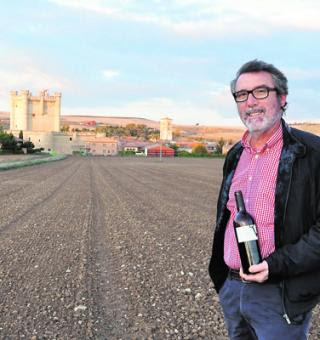 But more recently, it is the red wines of star producer Ignacio Príncipe that are emerging as superb wines that rival or exceed Cigales’ well-known neighbors of Ribera del Duero and Toro. Indeed, Cigales is higher and cooler than Toro to the west so its wines tend to be rather more structured. Cigales is smaller and much less familiar than Ribera del Duero to the east, so its wines tend to be considerably less expensive. And the soil of Cigales is unique by virtue of its large pudding stones which litter the vineyards liberally. Winemakers in Cigales insist that this soil is most ideal for the Tempranillo variety.
The very best wines of Cigales have the potential to develop in a proper cellar for years, if not decades, without suffering the over-oaking and over-extraction that seems endemic in status-conscious Ribera del Duero. And Ignacio is producing one of these wines in cuvée César Príncipe.
100% Tempranillo from vines over 70 years old, cuvée César Príncipe is beautifully balanced. Aromatics of cocoa dust, herbs, spiced-berries, violets, and a hint of cherry licorice fill the glass. Buckets of concentrated fruit are balanced by ample acid and 14 months of aging in French and American oak barrels (40% new). Although it’s damn easy to drink presently, this wine clearly has many years of life ahead of it.
For a more everyday type wine, 13 Cántaros Nicolás will more than suffice. 100% Tempranillo from 20-year-old vines that are organically cultivated and hand-picked, 13 Cántaros is fleshy with intense aromas of red fruits, plum, jam and spices. Ripe but balanced it’s a great choice to pair with everything from roast vegetables to burgers.
- - -
Posted on 2015.10.15 in Saturday Sips Wines, Spain DO, Cigales | Read more...
Faugères – France’s Well Kept Secret
Domaine Léon Barral (Faugères, 2012)
~$29/bottle
We have been trying to bring in Didier Barral‘s wines for years now and we were finally able to score the 2011 vintage last year, so some of you might already be familiar with his extraordinary wines of power and complexity that speak of the earth. The 2012 vintage is now in and it is drinking beautifully, although some cuvées are certainly cellar-worthy. And since Faugères is a small appellation and rarely exported, prices are still quite reasonable for this level of wine.
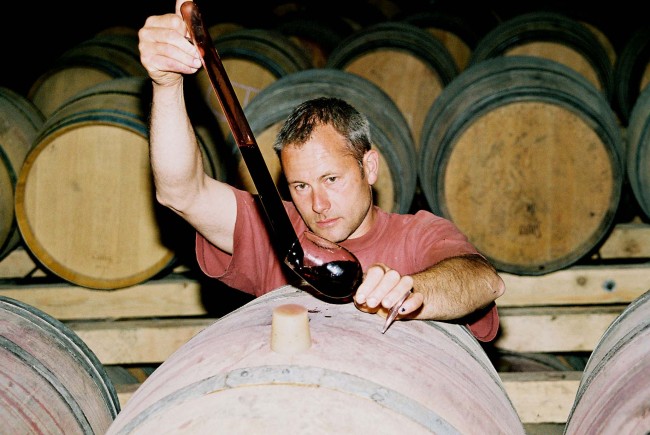
Didier farms about 75 acres of vines using biodynamic practices. Horses and ancient breeds of cattle and pigs graze the cover crops in and around the vineyards, which promotes healthy microbiotic activity in the soil. Between the vines grow all sorts of rare greens and unusual wild herbs, often harvested by Michelin starred chefs from all over France.
An arid landscape of scrub-covered ridges and windswept stone outcrops, Faugères is known for its dry and crunchy metamorphic schist that forces the roots of the vines to penetrate deeply in search of moisture. This cherished soil for grape growing absorbs the heat of the daytime before releasing it in the cooler evenings. The humid Marin winds off the Mediterranean and the dry, violent Tramontane winds from the northwest are a constant presence in the Faugères hills that help to ventilate the vineyards. Most of Didier’s vines are very old, some up to ninety years of age. All of these factors help for even ripening of the grapes and further increases their concentration.
Although Didier considers the wine all but finished once it leaves the vineyard, the harvest is cared for with the same attention once it reaches the cellar. All wines are hand-harvested, hand-sorted, fermented with indigenous yeasts and have no sulfur added. They are never racked, filtered, or fined. While these principles form an idyllic narrative of a natural product, the fact is that Didier has a profound influence on other viticulteurs who can see how his ideology translates to results.
Didier’s Faugères bottling is a blend of 50% Carignan, 30% Grenache, and 20% Cinsault from vines aged 40 to 70 years old. After fermentation, the wine is aged for 2 years in cement and stainless steel cuves. The aromatics are joyous with black cherries, cocoa, herbs and flowers. A sip is filled with fruit yet nimble on the palate, elegant even, with a finish of sun-baked stone.
More Wines from Domaine Léon Barral
Domaine Léon Barral (VdF, 2013) White
~$40/bottle
Orange wine! 80% Terret Blanc and Gris, 10% Viognier, 10% Roussane. Produced using an ancient method of extended pressing and skin contact for a deeply colored wine with some tannins. Unique and delicious.
Domaine Léon Barral “Jadis” (Faugères, 2012)
~$40/bottle
50% Carignan, 30% Syrah, 20% Grenache, aged for 24 to 26 months in barrel (10% new oak). Black fruits and herbs in abundance. Can develop in the cellar for another 5-10 years.
Domaine Léon Barral “Valinières” (Faugères, 2012)
~$62/bottle
80% Mourvèdre, 20% Syrah, aged for 24 to 26 months in barrel (10% new oak). Big, meaty, and concentrated. Can develop in the cellar for another 10-15 years.
- - -
Posted on 2015.10.07 in France, Saturday Sips Wines, Languedoc-Roussillon | Read more...
Featured Wines
- Notebook: A’Boudt Town
- Saturday Sips Wines
- Saturday Sips Review Club
- The Champagne Society
- Wine-Aid Packages
Wine Regions
Grape Varieties
Albarino, Albarín Blanco, Albarín Tinto, Albillo, Aleatico, Aligote, Arbanne, Aubun, Barbarossa, barbera, Biancu Gentile, bourboulenc, Cabernet Franc, Caino, Calvi, Carcajolu-Neru, Carignan, Chardonnay, Chasselas, Cinsault, Clairette, Cortese, Corvina, Counoise, Dolcetto, Erbamat, Ferrol, Friulano, Fromenteau, Gamay, Garnacha, Garnacha Tintorera, Gewurztraminer, Graciano, Grenache Blanc, Groppello, Juan Garcia, Lambrusco, Loureira, Macabeo, Macabou, Maconnais, Malbec, manseng, Marcelan, Marsanne, Marselan, Marzemino, Mondeuse, Montanaccia, Montònega, Morescola, Morescono, Moscatell, Mourv, Mourvèdre, Muscat, Natural, Nebbiolo, Niellucciu, Parellada, Patrimonio, Pedro Ximénez, Persan, Petit Meslier, Petit Verdot, Pineau d'Aunis, Pinot Blanc, Pinot Gris, Pinot Meunier, Pinot Noir, Pouilly Fuisse, Pouilly Loche, Prieto Picudo, Riesling, Rondinella, Rousanne, Roussanne, Sagrantino, Sauvignon, Sauvignon Blanc, Savignin, Sciacarellu, Semillon, Serine, Sparkling, Sumoll, Sylvaner, Syrah, Tannat, Tempranillo, Teroldego, Timorasso, Trebbiano, Trebbiano Valtenesi, Ugni Blanc, vaccarèse, Verdicchio, Vermentino, Xarel-loWines & Events by Date
- September 2025
- August 2025
- July 2025
- June 2025
- May 2025
- April 2025
- March 2025
- February 2025
- January 2025
- December 2024
- November 2024
- October 2024
- September 2024
- August 2024
- July 2024
- June 2024
- May 2024
- April 2024
- March 2024
- February 2024
- January 2024
- December 2023
- November 2023
- October 2023
- September 2023
- August 2023
- July 2023
- June 2023
- May 2023
- April 2023
- March 2023
- February 2023
- January 2023
- December 2022
- November 2022
- October 2022
- September 2022
- August 2022
- July 2022
- June 2022
- May 2022
- April 2022
- March 2022
- February 2022
- January 2022
- December 2021
- November 2021
- October 2021
- September 2021
- August 2021
- July 2021
- June 2021
- May 2021
- April 2021
- March 2021
- February 2021
- January 2021
- December 2020
- November 2020
- October 2020
- September 2020
- August 2020
- July 2020
- June 2020
- May 2020
- April 2020
- March 2020
- February 2020
- January 2020
- December 2019
- November 2019
- October 2019
- September 2019
- August 2019
- July 2019
- June 2019
- May 2019
- April 2019
- March 2019
- February 2019
- January 2019
- December 2018
- November 2018
- October 2018
- September 2018
- August 2018
- July 2018
- June 2018
- May 2018
- April 2018
- March 2018
- February 2018
- January 2018
- December 2017
- November 2017
- October 2017
- September 2017
- August 2017
- July 2017
- June 2017
- May 2017
- April 2017
- March 2017
- February 2017
- January 2017
- December 2016
- November 2016
- October 2016
- September 2016
- August 2016
- July 2016
- June 2016
- May 2016
- April 2016
- March 2016
- February 2016
- January 2016
- December 2015
- November 2015
- October 2015
- September 2015
- August 2015
- July 2015
- June 2015
- May 2015
- April 2015
- March 2015
- February 2015
- January 2015
- December 2014
- November 2014
- October 2014
- September 2014
- August 2014
- July 2014
- June 2014
- April 2014
- March 2014
- February 2014
- January 2014
- December 2013
- November 2013
- October 2013
- September 2013
- August 2013
- July 2013
- June 2013
- May 2013
- April 2013
- March 2013
- February 2013
- January 2013
- December 2012
- November 2012
- October 2012